From Paper Tickets to Pixels: The Transformation of Swedish Lotto Traditions
Skriven av Petra Weber · 2026-08-19
From Paper Tickets to Pixels: The Transformation of Swedish Lotto Traditions
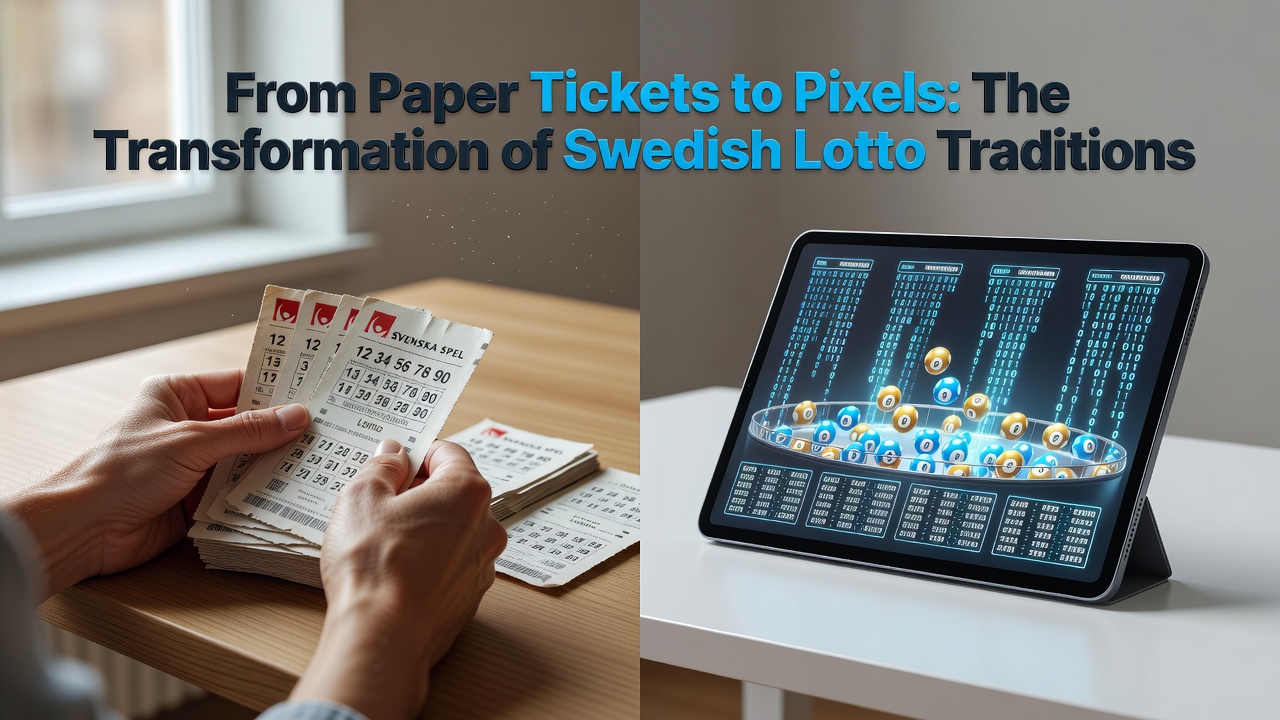
Swedish lotto traditions trace their roots to the mid-20th century when physical paper tickets formed the backbone of every draw, and sales depended on neighborhood kiosks plus authorized retailers who stamped each slip by hand, while the entire process relied on printed draw schedules and manual verification at local offices.
Early Paper-Based Systems and Their Reach
Paper tickets carried serialized numbers that players selected on pre-printed forms, and distribution networks stretched across Sweden through state-managed channels that ensured every transaction left a physical record, yet these methods created bottlenecks during peak periods because staff had to count stubs and reconcile cash drawers at the close of each business day.
The Onset of Digital Integration
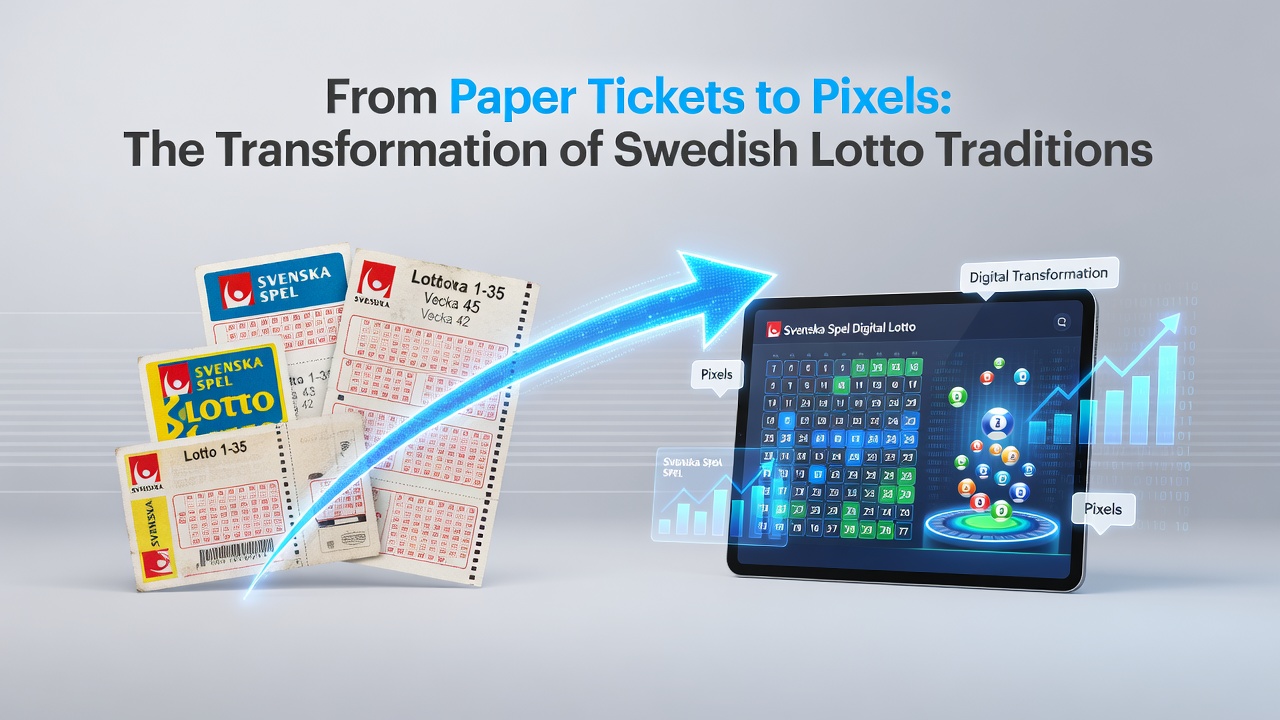
State operators introduced computerized terminals in the 1990s that replaced handwritten ledgers with electronic records, and this shift allowed real-time tracking of ticket sales while reducing errors that once occurred when clerks tallied numbers under time pressure, yet paper slips continued to serve as the official proof of purchase for many years afterward.
Mobile Platforms and the Pixel Transition
Smartphone applications arrived in the early 2010s and enabled users to purchase entries directly through secure portals that stored selections in cloud-based accounts, and these platforms incorporated instant notifications for draw results along with digital receipts that replaced physical stubs, while security protocols evolved to include two-factor authentication that protected player data during each transaction.
Observers note that adoption rates climbed steadily once mobile interfaces offered the same legal protections as counter sales, and integration with bank-ID systems streamlined age verification so that participants no longer needed to present identification in person, yet legacy paper options remained available at select outlets for those who preferred traditional methods.
Regulatory Framework and August 2026 Updates
Swedish authorities have updated licensing requirements to accommodate digital distribution, and according to Spelinspektionen the regulator continues to monitor platform compliance with data-protection standards that apply across all online gambling services, while new rules scheduled for August 2026 introduce mandatory digital audit trails that will log every transaction in real time and further reduce reliance on paper documentation.
Research from European gaming associations shows that similar transitions in neighboring markets produced measurable increases in participation among younger demographics once mobile access became standard, and Swedish operators have followed parallel patterns by expanding app features that include historical draw archives plus statistical tools that help players review past results without needing printed archives.
Technological Infrastructure Behind the Change
Secure payment gateways now handle instant transfers from linked bank accounts, and these systems replaced cash exchanges that once required physical counting at retail counters, while encryption standards meet international benchmarks that protect both financial details and personal identifiers during every session.
Industry reports from the World Lottery Association indicate that digital platforms allow operators to run draws with greater frequency because automated systems handle validation without manual intervention, and Swedish lotteries have adopted weekly plus daily formats that operate alongside traditional Saturday draws, yet the core random-number generation process remains unchanged and continues to undergo independent audits.
Conclusion
The move from paper tickets to pixels reflects broader technological adoption across Swedish society, and data from government sources confirms that digital channels now account for the majority of transactions while physical outlets still serve communities that value face-to-face service, yet both formats operate under the same regulatory oversight that ensures fairness and transparency for every participant.