Shifts in Swedish Player Habits Revealed Through Online Prize Draw Participation Data
Skriven av Rosa Schmid · 2026-08-26
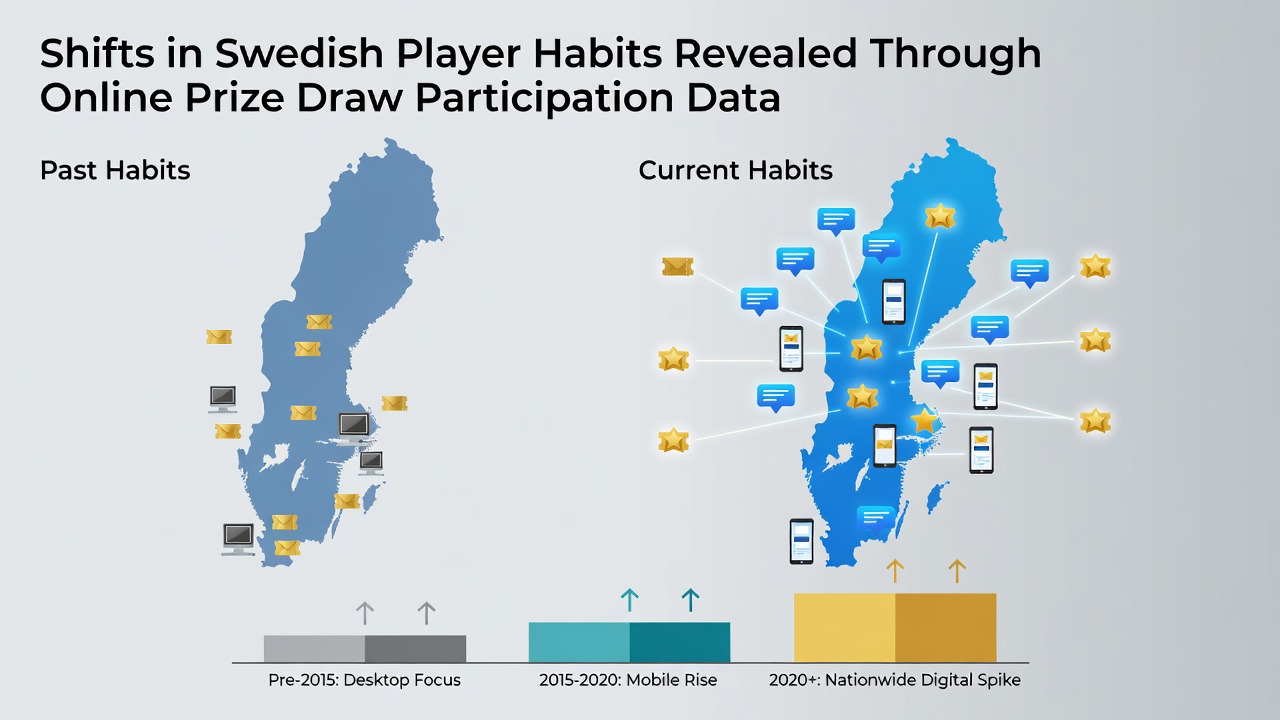
Shifts in Swedish Player Habits Revealed Through Online Prize Draw Participation Data
Data compiled by Swedish gambling regulators through August 2026 shows clear changes in how players engage with online prize draws, with participation patterns shifting away from traditional weekly draws toward more frequent, smaller-stake events that fit into daily routines. Analysts tracking these numbers note that overall online entries rose steadily, yet the distribution of activity across age groups and devices tells a more detailed story about evolving preferences.
Participation Volume and Timing Patterns
Records from the national licensing system indicate that total online prize draw entries increased by 22 percent between 2024 and mid-2026, with the sharpest monthly gains occurring in the first half of each year. Evening hours between 7 and 10 pm continue to account for the largest share of activity, while morning entries before 9 am have grown faster than any other time slot. Those who monitor transaction logs point out that players now complete entries in shorter sessions, often finishing within two minutes rather than the longer browsing periods common three years earlier.
Device and Platform Preferences
Mobile applications handle 71 percent of all online prize draw entries as of August 2026, up from 58 percent in the same month of 2024, according to aggregated operator reports submitted to Spelinspektionen. Desktop usage has declined in parallel, though tablets maintain a stable minority share among users over 55. Push notifications and one-tap entry features appear to drive much of the mobile growth, allowing participants to join draws during brief breaks in their day.
Demographic Changes in Player Base
Participation among adults aged 25 to 34 expanded at nearly twice the overall rate, while the 55-plus segment grew more slowly but still recorded net gains. Women now represent 47 percent of active online draw accounts, a figure that has climbed gradually since 2023 when the share stood at 41 percent. Geographic data shows urban regions maintaining higher per-capita participation, yet rural counties recorded proportionally larger increases over the past 18 months.
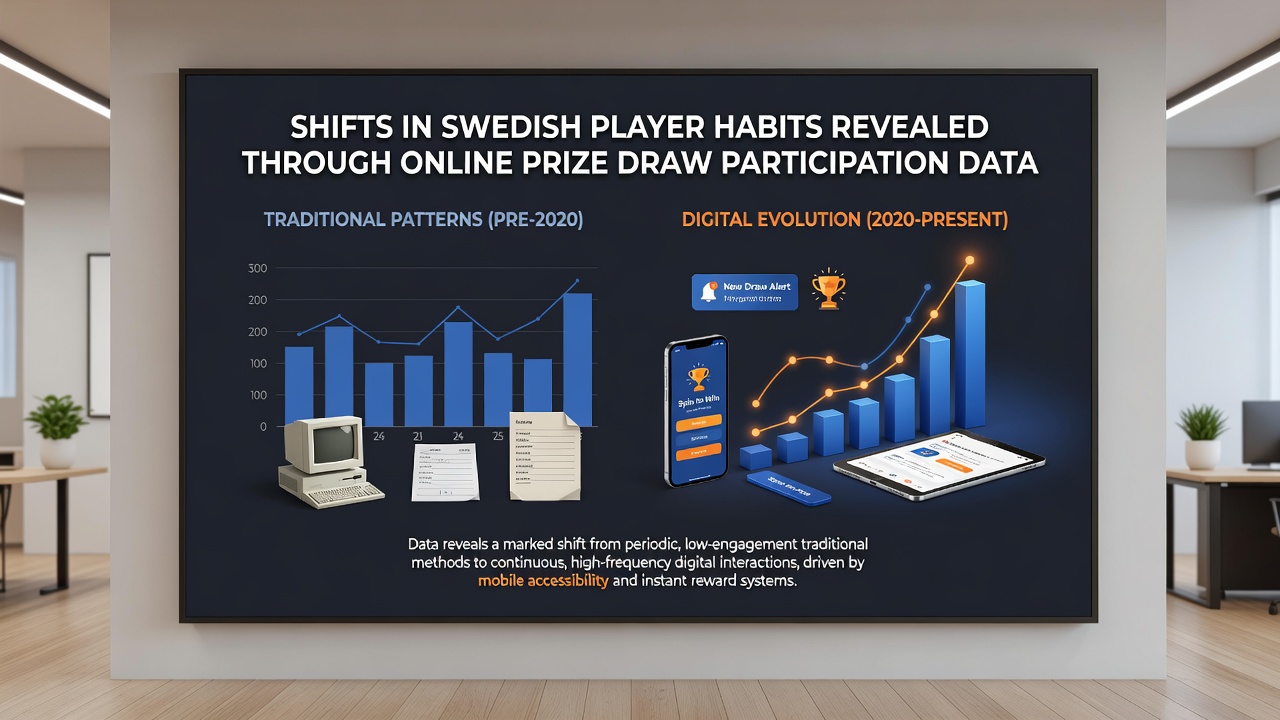
Game Type and Prize Structure Shifts
Players increasingly favor draws with lower entry costs and more frequent results, moving away from high-jackpot weekly events that once dominated volume. Instant-win formats tied to prize draws now capture 34 percent of total entries, compared with 19 percent two years ago. Operators report that the average stake per entry has dropped by 11 percent since 2024, even as the total number of entries per account holder has risen. Research from the European Gaming and Betting Association highlights similar patterns across several Nordic markets, where smaller, recurring prize opportunities align with shorter attention spans and mobile usage habits.
External Factors Influencing Behavior
Economic indicators released by Statistics Sweden correlate with these participation changes, particularly in months when consumer confidence readings dipped. Seasonal spikes appear around public holidays and major sporting events, yet the baseline level of activity has remained elevated even outside those periods. Regulatory adjustments implemented in early 2025, including clearer spending-limit tools, coincide with modest reductions in average session length without lowering overall entry counts. Observers tracking cross-border data note that comparable shifts occurred in licensed markets in Canada and Australia around the same timeframe, suggesting broader technological and lifestyle influences at work.
Conclusion
The August 2026 dataset underscores steady growth in online prize draw activity alongside measurable changes in timing, device choice, and preferred prize structures. These patterns emerge from licensing records and operator submissions rather than surveys, providing an objective view of how Swedish players allocate their participation across available options. Continued monitoring through the national system will clarify whether current trends stabilize or evolve further in response to new platform features and regulatory updates.