Sweden's Lottery Revenue Distribution to Youth Sports Programs: A Historical Overview
Skriven av Rosa Butler · 2026-11-12
Sweden's Lottery Revenue Distribution to Youth Sports Programs: A Historical Overview
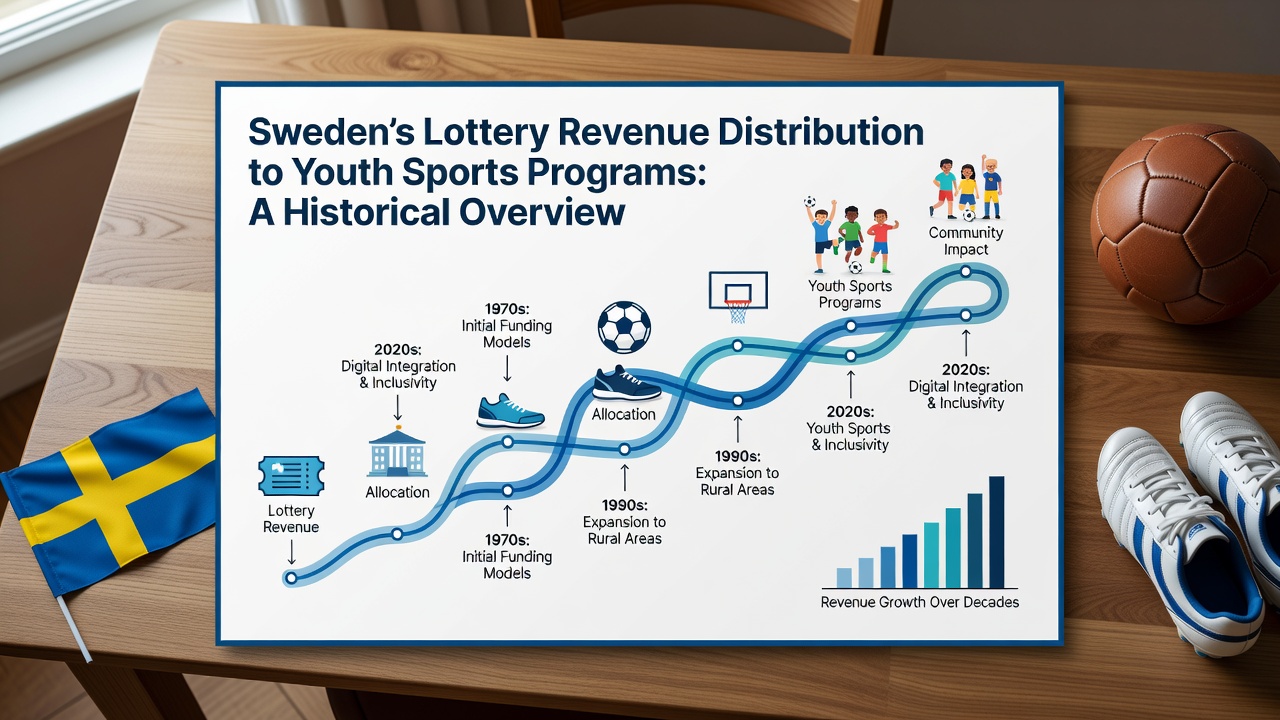
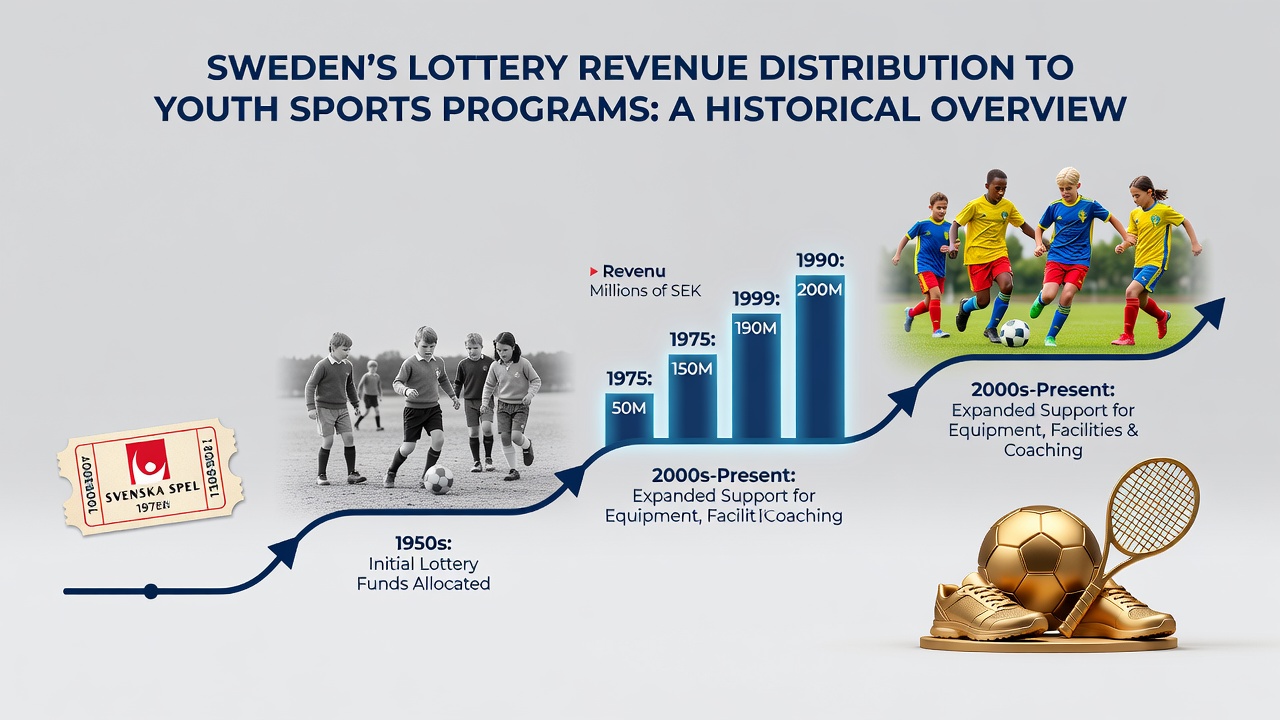
Sweden established its modern lottery framework in the years following World War II, when government authorities directed proceeds from state-run games toward public welfare initiatives that included organized sports for young people. The initial system channeled funds through national sports bodies, and observers note that this approach created a steady revenue stream that supported facility construction and program development across municipalities. Data from official records shows that by the 1950s annual contributions had already reached several million kronor, which helped expand access to team sports in both urban and rural areas.
Foundations of the Funding Model
Legislation passed in 1963 formalized the connection between lottery operations and sports organizations, requiring a fixed percentage of net proceeds to flow directly into youth development accounts. Researchers who examined archival documents discovered that this law responded to growing demand for after-school activities while also generating employment in administrative roles tied to the lottery itself. Those who tracked the early years found that youth sports received roughly 40 percent of available distributions, a share that remained consistent through the 1970s despite economic fluctuations.
During the same period, regional sports federations began submitting annual proposals that detailed equipment needs, coaching salaries, and travel costs for competitions. Government audits from that era reveal that approval rates stayed high when requests aligned with measurable participation growth, which encouraged clubs to track enrollment numbers more carefully. And because the funding arrived on a predictable schedule, many local programs could plan multi-year projects without relying solely on membership fees or private donations.
Adjustments Through teh 1980s and 1990s
Economic pressures in the early 1980s prompted a review of allocation formulas, and authorities introduced performance-based incentives that rewarded federations for increasing female participation and reaching underserved communities. Figures released at the time indicated that these adjustments lifted total youth involvement by nearly 25 percent within a decade. The 1990s brought further change when Sweden joined the European Union, which required updates to gambling regulations yet preserved the core principle that lottery surpluses continue supporting public benefit sectors including youth athletics.
Digitalization arrived gradually during this decade, allowing ticket sales through new terminals and later online platforms. Records maintained by the national gaming authority document that these channels boosted overall revenue without altering the statutory distribution percentages directed to sports. One study released by a Canadian research institute compared Sweden's model with similar systems in other countries and noted that the Swedish approach maintained higher transparency through annual public reports.
Digital Era and Expanded Reach
By the early 2000s online lottery products had become a significant revenue driver, and distribution mechanisms adapted to include dedicated grants for digital coaching tools and safety equipment. Data collected between 2005 and 2015 shows steady growth in the number of clubs receiving support, with average grant sizes increasing alongside total lottery turnover. Those who analyzed participation statistics observed that winter sports programs benefited particularly from the new funding streams, since equipment costs had previously limited access in northern regions.
Recent policy updates have emphasized equity, directing additional resources toward programs that serve children from immigrant backgrounds and low-income households. Government statistics indicate that these targeted allocations have contributed to a measurable rise in overall youth engagement rates through 2025. In November 2026 authorities are scheduled to release updated figures that will detail how digital prize structures have influenced the absolute amounts available for distribution, providing fresh benchmarks for future planning.
Current Allocation Practices
Today the process begins with an annual calculation performed by the state-owned gaming operator, which determines net proceeds after prizes and operating costs. A predetermined share then moves to an independent foundation responsible for reviewing applications from sports federations. Evaluators assess each proposal against criteria that include projected participant numbers, geographic coverage, and alignment with national health objectives. Approved projects receive disbursements in quarterly installments, and recipients must submit progress reports that track outcomes such as retention rates and competition results.
International comparisons appear in reports from organizations such as the Government of Canada sport programs, which highlight Sweden's consistent use of lottery funds as a stable alternative to direct taxation. Another perspective comes from academic reviews published by Australian research centers that examine how different jurisdictions balance commercial gaming with community investment.
Conclusion
The historical record demonstrates that Sweden's lottery revenue distribution has evolved through legislative refinement, technological adaptation, and shifting social priorities while retaining its foundational commitment to youth sports. Figures compiled over seven decades show sustained investment that has supported infrastructure, coaching, and participation growth across generations. As new data emerges in November 2026, observers will have additional evidence to evaluate how current practices continue serving the same public benefit goals established in the postwar period.