Sweden's Weather Patterns and Their Unexpected Ties to Digital Lottery Engagement Rates
Skriven av Rosa Schmid · 2026-10-29
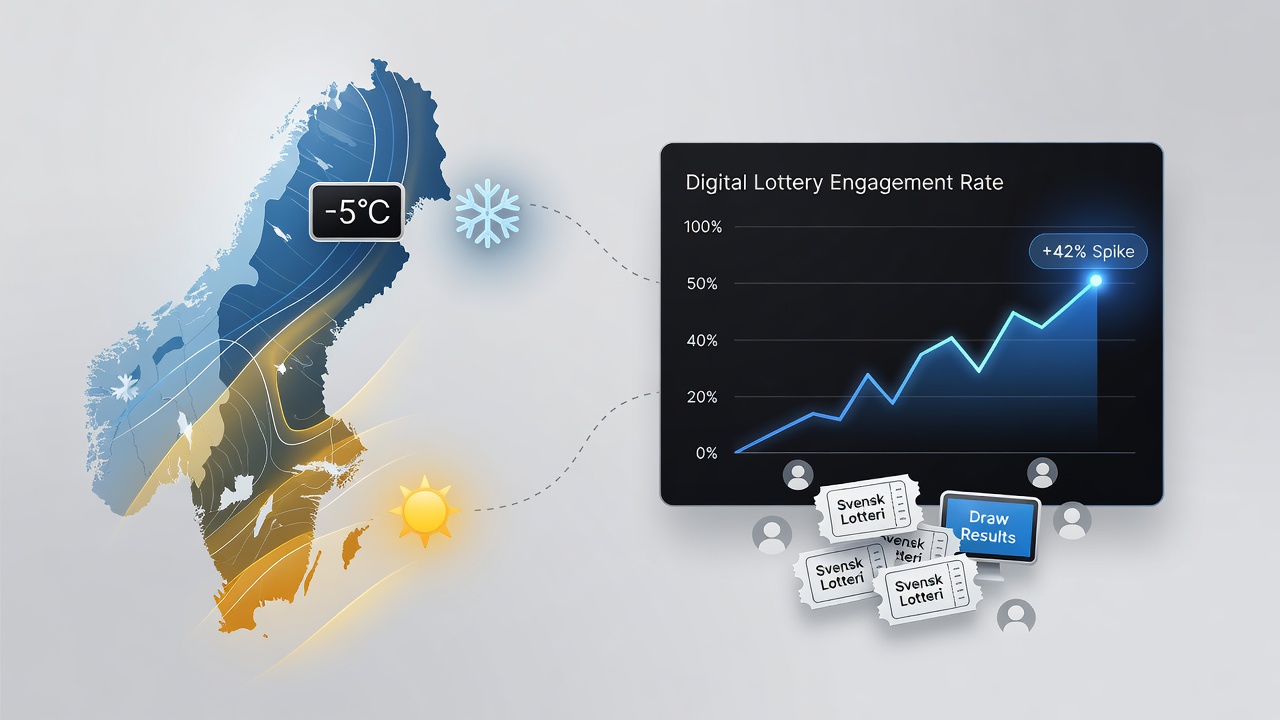
Sweden's Weather Patterns and Their Unexpected Ties to Digital Lottery Engagement Rates
Sweden experiences distinct seasonal shifts that range from prolonged dark winters with heavy snowfall to bright summers marked by extended daylight and variable precipitation, and researchers have documented how these conditions align with measurable changes in digital lottery activity across the country.
Sweden's Distinct Weather Patterns
The Swedish Meteorological and Hydrological Institute tracks patterns where southern regions receive milder temperatures and more consistent rainfall while northern areas endure longer periods of snow cover and subzero conditions, and data collected over multiple decades shows average winter temperatures in Stockholm hovering around minus two degrees Celsius with precipitation often falling as snow from November through March.
Summer months bring average highs near twenty degrees Celsius alongside frequent afternoon showers in many provinces, whereas autumn transitions feature increasing wind speeds and shorter days that correlate with shifts in indoor activities, and observers note that October often marks the start of cooler, wetter spells that persist into early winter.
The Rise of Digital Lottery Participation
Digital lottery platforms in Sweden have expanded steadily since regulatory updates in the mid-2010s, with participation tracked through official channels that record ticket purchases via mobile applications and websites, and figures from national statistics agencies indicate that online engagement now accounts for a substantial portion of total lottery activity compared to earlier decades when physical outlets dominated.
Industry reports highlight how users access draws for games such as Lotto and Keno through secure digital interfaces, while participation rates fluctuate based on external factors including seasonal routines, and analysts have compiled datasets showing higher volumes during periods when outdoor mobility decreases.
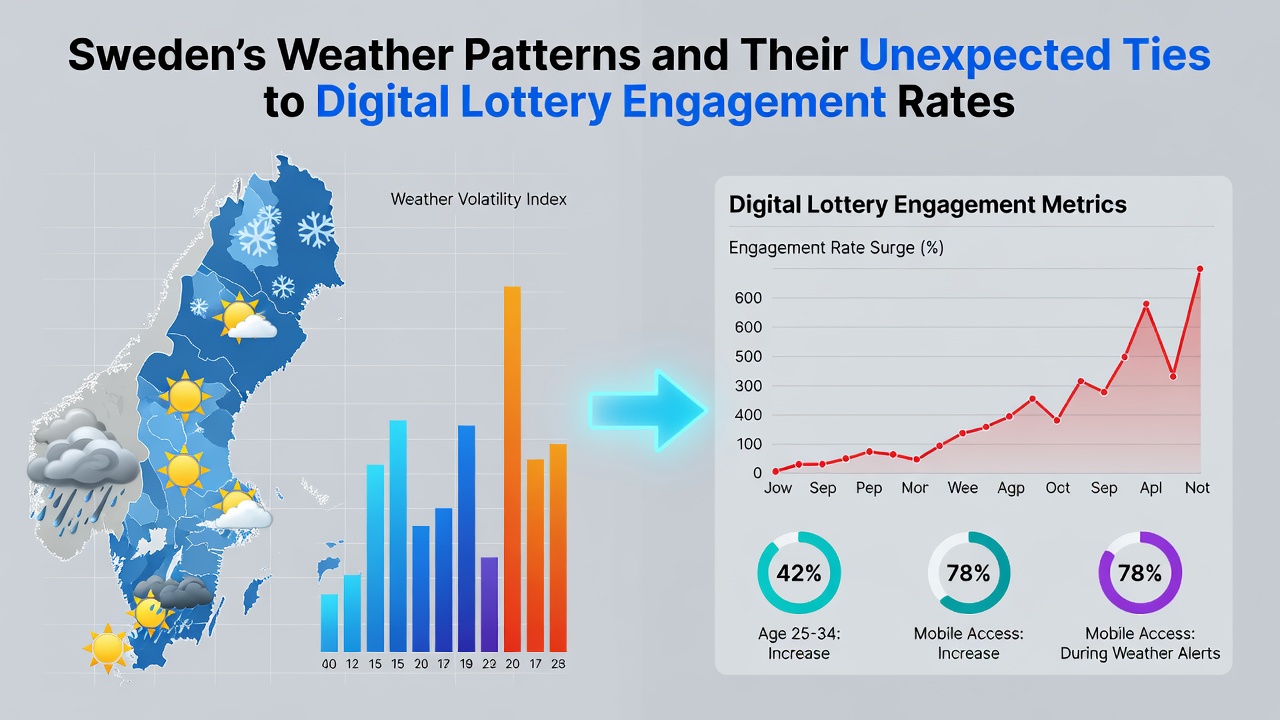
Linking Weather Conditions to Online Activity
Studies compiled by academic institutions and government agencies reveal correlations between specific weather events and spikes in digital lottery logins, where days with temperatures below freezing or rainfall totals exceeding ten millimeters coincide with increased session durations on lottery sites, and researchers attribute this to greater time spent indoors combined with access to mobile networks that remain reliable regardless of outdoor conditions.
Data from the Swedish Meteorological and Hydrological Institute paired with lottery participation metrics demonstrates that winter months produce engagement rates up to fifteen percent above annual averages, whereas summer periods with extended daylight see more moderate but steady activity levels, and similar patterns appear in analyses of autumn transitions when cooler temperatures arrive earlier than historical norms.
In October 2026 projections from meteorological models anticipate above-average precipitation across central Sweden which may extend indoor activity windows, and preliminary modeling from research groups suggests this could influence digital lottery metrics in line with trends observed during comparable past seasons, while cross-referenced figures from Statistics Canada on weather-related behavioral shifts provide comparative context for northern European climates.
Data Insights from Multiple Sources
Analyses conducted by the European Lotteries Association compile anonymized transaction data that shows precipitation days aligning with elevated mobile app usage, and one study from a Nordic research consortium examined five years of records to identify that heavy snow events in the north corresponded with sustained online participation over consecutive days rather than isolated spikes.
University-led projects in collaboration with national agencies have applied statistical models to separate weather influences from other variables such as marketing campaigns or jackpot sizes, and results indicate that temperature drops below zero degrees Celsius associate with a measurable uptick in first-time digital registrations, whereas prolonged dry spells in summer months maintain baseline engagement without significant deviation.
Additional datasets from international bodies like the World Meteorological Organization offer broader context on how climate variability affects behavioral patterns in temperate zones, and these resources help frame Sweden-specific observations within larger regional trends without attributing causation solely to any single factor.
Conclusion
Available records demonstrate consistent alignments between Sweden's weather cycles and digital lottery engagement metrics, supported by meteorological tracking and participation statistics that continue to evolve with seasonal forecasts, and ongoing data collection through 2026 will further clarify these relationships as new patterns emerge.