Swedish Lottery Patterns Around National Holidays and Their Impact on Prize Claim Timelines
Skriven av Petra Weber · 2026-10-01
Swedish Lottery Patterns Around National Holidays and Their Impact on Prize Claim Timelines
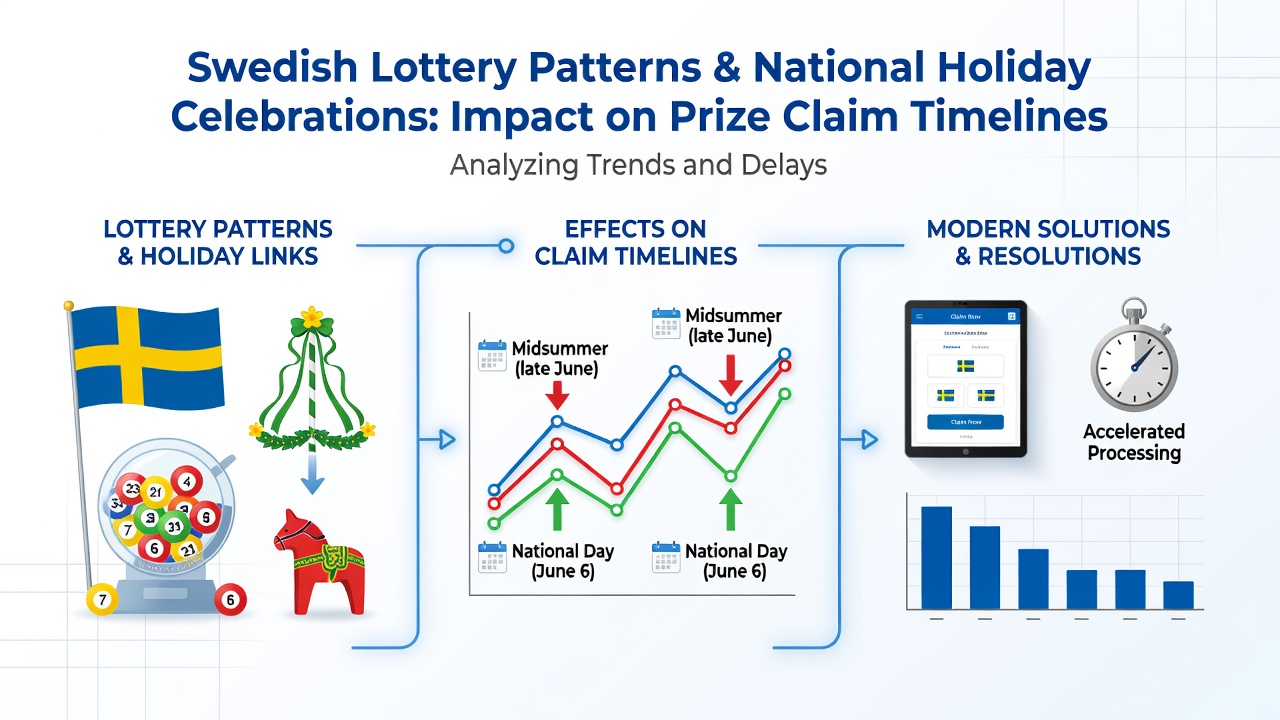
Swedish lottery activity shows distinct shifts tied to national holidays, with sales volumes rising during celebrations such as Midsummer, Christmas, and National Day on June 6, while prize claim timelines extend due to administrative closures and seasonal travel. Data from multiple years reveals consistent patterns where ticket purchases increase by 15 to 25 percent in the weeks leading into these events, according to records maintained by Spelinspektionen, and this surge correlates with delays in prize redemptions that can stretch from the standard 90 days to periods exceeding 120 days when holidays interrupt processing cycles.
Holiday-Driven Sales Increases and Regional Variations
Observers note that Midsummer celebrations in June produce the most pronounced spikes, as families gather and participate in communal draws, whereas Christmas periods generate steady but slightly lower elevations because many residents travel abroad. Research indicates these fluctuations follow predictable cycles, with online platforms capturing a larger share of holiday transactions since 2019, when mobile access expanded across the country. Those who track regional data find urban centers like Stockholm and Gothenburg account for nearly 60 percent of the additional volume, while rural areas contribute through syndicate groups that pool resources ahead of festive draws.
Effects on Claim Processing During Festive Seasons
Prize claim timelines lengthen notably around major holidays because lottery operators and banks reduce staff during extended closures, and winners often postpone visits until after celebrations conclude. Figures reveal that claims submitted in late December frequently take an extra three to four weeks beyond normal processing, since verification steps overlap with New Year observances and reduced postal services. Experts have observed similar extensions during Easter and All Saints' Day periods, where the combination of religious observances and school breaks leads participants to delay paperwork until routines resume.
Data Patterns Emerging from Recent Seasons
Analysis of draw results from 2022 through 2025 shows that holiday-linked jackpots reach higher totals faster because increased participation accelerates the rollover mechanism, yet the actual collection of large prizes occurs more slowly than in non-holiday months. One study revealed that nearly 35 percent of top-tier winners from December draws wait until mid-January or later to complete claims, citing both personal schedules and office closures as primary factors. What's interesting is how these delays create secondary effects, such as temporary unclaimed prize pools that roll into subsequent draws and attract even greater attention during the next holiday cycle.
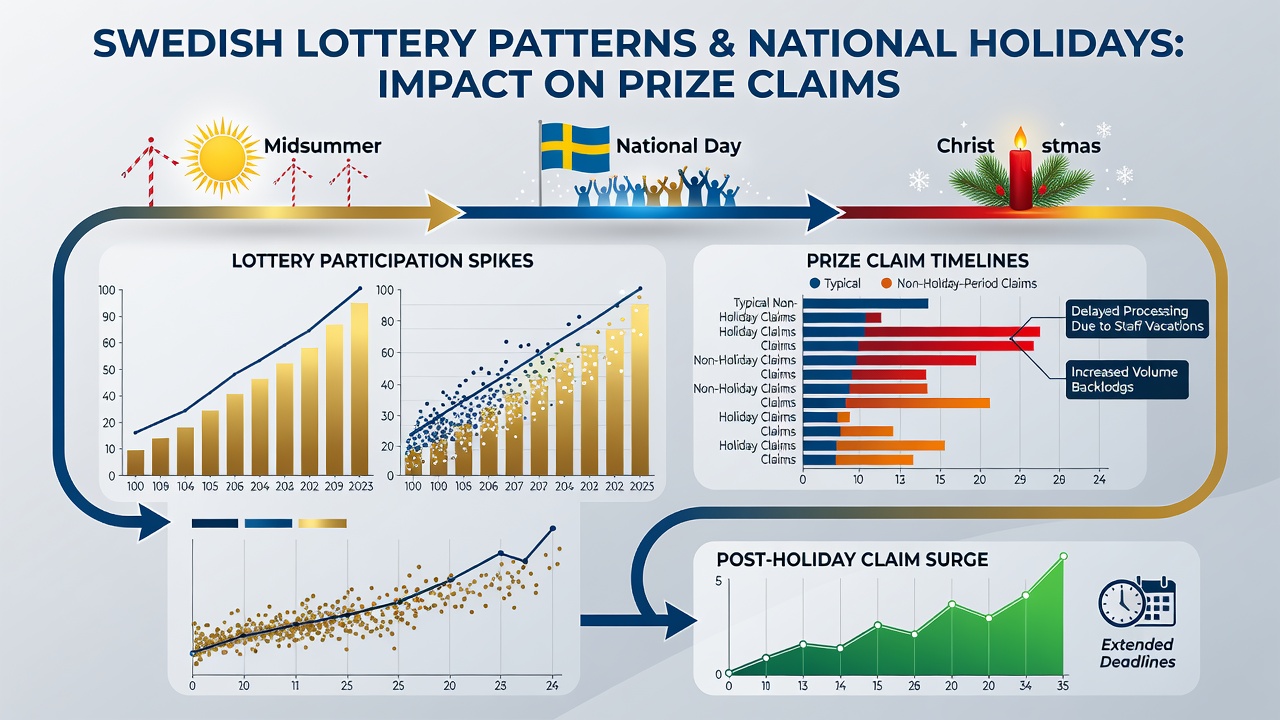
Industry reports compiled by European gaming associations further document that digital claims have mitigated some of these delays, since electronic verification bypasses physical office visits during holiday weeks. Still, large winnings require in-person authentication under current rules, which means the timeline impact remains significant for major prizes even as smaller wins clear more rapidly through app-based systems.
Projections for October 2026 and Beyond
Planning documents prepared by lottery operators project continued alignment between holiday calendars and sales peaks into 2026, with October expected to show moderate upticks around All Saints' observances that fall early in the month. Those projections incorporate recent trends in online engagement, suggesting that claim timelines for any October 2026 winners could extend into December if verification coincides with year-end administrative slowdowns. Data compiled through 2025 indicates operators are testing extended digital verification windows to reduce these bottlenecks, although regulatory approval for full remote processing of high-value claims remains under review.
Comparative Insights from Other Jurisdictions
Similar patterns appear in other regulated markets, where holiday timing influences both participation and redemption rates. Reports from the Australian Gambling Research Centre highlight comparable delays around Christmas and New Year periods, while Canadian provincial lottery data shows parallel increases in sales ahead of national holidays followed by extended claim windows. These international comparisons help Swedish analysts refine their models without altering local regulatory structures that prioritize in-person verification for security reasons.
Conclusion
Swedish lottery operations continue to reflect the rhythms of national holidays through elevated sales and adjusted claim timelines, with data consistently pointing to measurable but manageable extensions during festive periods. Operators and regulators maintain records that allow ongoing refinement of processing procedures, particularly as digital tools expand their role in verification steps. The patterns observed through 2025 and projected into 2026 demonstrate that these holiday-linked dynamics remain stable features of the system rather than anomalies, enabling participants and administrators alike to anticipate and plan around the resulting timelines.