The Influence of Mobile Technology on Swedish Online Lottery Engagement
Skriven av Rosa Schmid · 2026-08-23
The Influence of Mobile Technology on Swedish Online Lottery Engagement
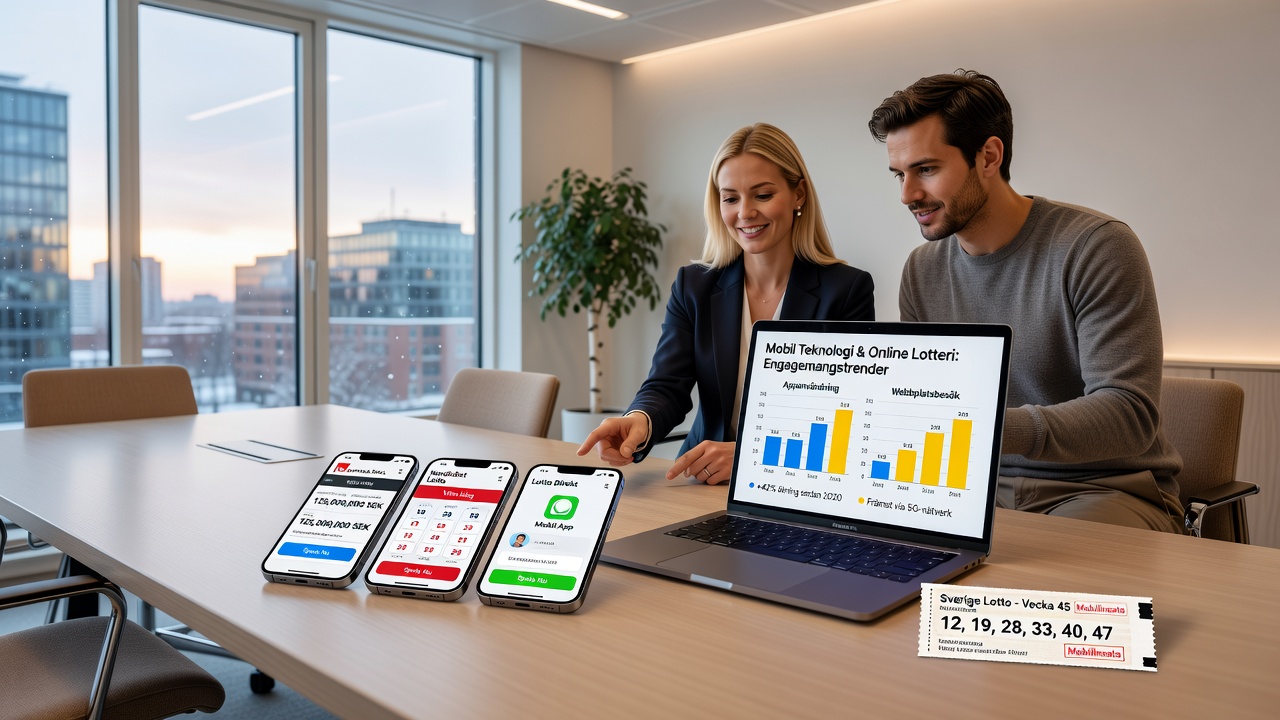
Swedish lottery participation has shifted noticeably since mobile devices became central to daily routines, with engagement patterns reflecting broader adoption of smartphones and tablets across the population. Government statistics show that internet penetration reached over 95 percent by the early 2020s, and mobile usage now accounts for the majority of online activity in households throughout the country. Lottery operators responded by developing dedicated applications that allow ticket purchases, result checks, and jackpot notifications without requiring desktop access.
Adoption Patterns Across Age Groups
Younger adults between 18 and 34 demonstrate the highest rates of mobile lottery interaction, while older demographics have gradually increased their participation through simplified app interfaces. Data from national surveys indicate that mobile sessions for lottery activities often occur during commutes or short breaks, replacing earlier habits of purchasing physical tickets at retail outlets. Operators track these behaviors through anonymized usage logs that reveal peak engagement times between 7 and 9 p.m. on weekdays.
Platform Features Driving Interaction
Applications now incorporate push notifications for draw results and personalized jackpot alerts, features that maintain user contact without active searching. Secure payment integrations through bank ID systems streamline transactions, and many platforms offer instant-win games alongside traditional draws. Those who study user retention note that apps providing historical ticket archives and statistical breakdowns tend to sustain longer engagement periods compared with basic purchase-only interfaces.
Regulatory Framework and Security Measures
The Swedish gambling authority oversees licensing requirements that mandate robust encryption and age verification for all mobile platforms. Compliance audits occur regularly, and operators must report metrics on responsible gaming tools such as deposit limits and self-exclusion options. Research from the European Institute for Gambling Studies found that these built-in safeguards correlate with stable participation rates even as mobile access expands. Figures released in regulatory reports show that mobile transactions now represent more than 70 percent of total online lottery volume in monitored markets.
What's interesting is how location-based services have begun to influence engagement, particularly in rural areas where physical retailers are fewer. Mobile apps allow users to join syndicates or share tickets digitally, activities that previously required in-person coordination. One analysis of transaction data revealed increased syndicate formations during summer months when travel and outdoor activities rise.
Comparative Data and Market Trends
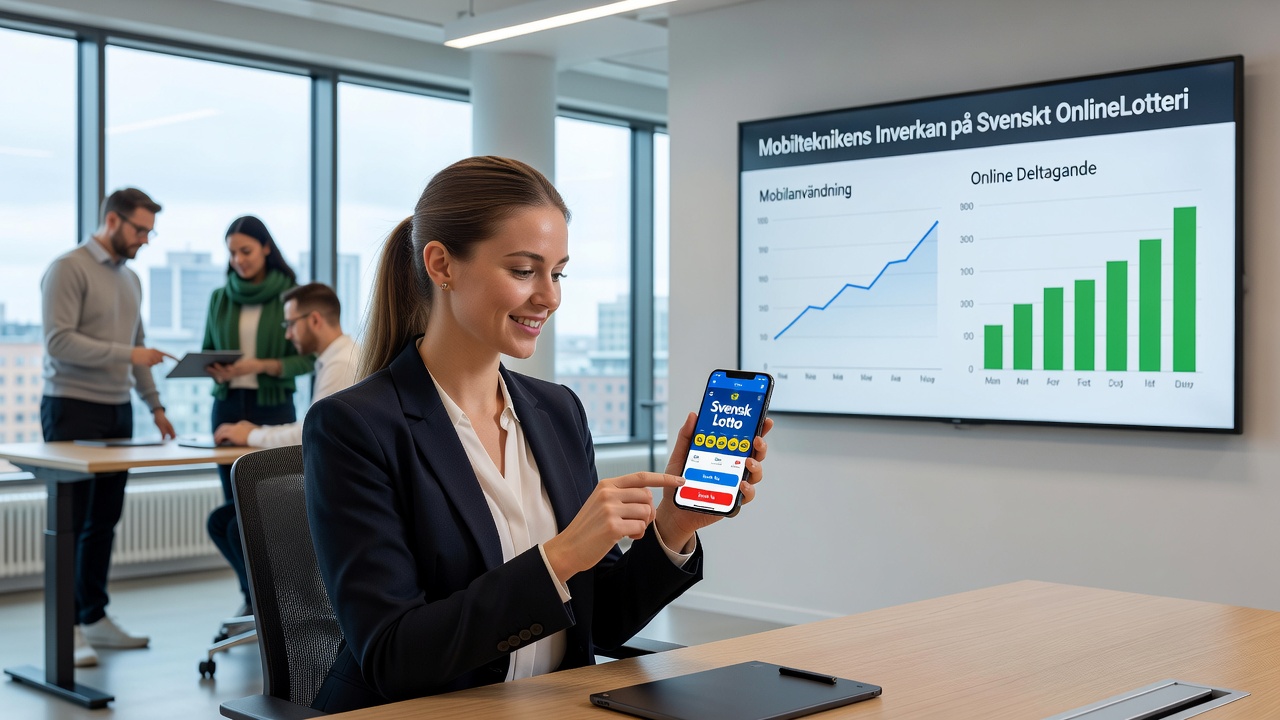
Industry reports compiled by Nordic gaming associations document steady growth in mobile lottery accounts between 2020 and 2025, with average session durations extending as interface designs improved. Observers note that integration with national digital identity systems has reduced friction during registration, contributing to higher completion rates for first-time users. Studies conducted by researchers at Stockholm University examined behavioral data and identified correlations between app updates and temporary spikes in ticket purchases immediately following feature releases.
August 2026 marks the scheduled rollout of enhanced cross-platform synchronization tools announced by major Swedish operators, allowing seamless transitions between mobile and smartwatch interfaces for result notifications. Preliminary testing data shared with regulators indicate that these updates aim to accommodate evolving device preferences while maintaining existing security protocols. International comparisons from Canadian lottery associations and Australian gaming research centers show similar mobile adoption curves, suggesting the Swedish experience aligns with broader global patterns in regulated markets.
Challenges in Measurement and Future Projections
Accurate tracking of engagement remains complex because many users combine mobile and desktop access within single accounts. Analysts rely on device fingerprinting and session analytics to separate channels, though these methods carry inherent limitations. Data released through academic partnerships reveal that mobile users tend to check results more frequently than desktop-only participants, yet overall spending patterns show little divergence once account tenure exceeds six months.
Conclusion
Mobile technology continues to reshape how Swedish residents interact with lottery products through convenience features and regulatory safeguards that keep pace with technological change. Participation metrics tracked by government bodies and independent researchers provide ongoing insight into these shifts, while scheduled platform enhancements in 2026 reflect continued adaptation to user habits. The interplay between device accessibility and structured oversight defines the current landscape, with data sources from multiple regions offering context for understanding these developments.